• Content
  • Collaboration
  • About Us
  • Contact Us

SEARCH RESULTS FOR: Hypothyroidism

Hyponatremia- Physiology

Hyponatremia: Physiology
Authors: Mannat Dhillon Reviewers: Andrea Kuczynski Kevin McLaughlin* * MD at time of publication
 Abnormal Renal H2O Handling (hypo-osmolar serum)
         AKI/CKD Heart failure
↓ renal blood flow
↓ glomerular filtration
GFR < 25 mL/min, ↓ urine dilution ↑ H2O retention
Note:
• Plasma [Na+] is regulated by water intake/excretion, not by changes in [Na+].
• Artifactual hyponatremia can be differentiated by a normal or hyperosmolar serum.
Appropriate ADH secretion
↓ EABV
Hypovolemia: losses via GI, renal, skin, 3rd spacing, bleeding
Hypervolemia: heart failure, cirrhosis
↑ Na+/H2O absorption at PCT
↓ EABV, ↑ H2O retention
Urine [Na+] < 20 mmol/L
Hereditary: tubular disorders
(Bartter, Gitlemann syndromes).
Thiazide diuretics
Inappropriate: SIADH, hypothyroidism, AI
Normal EABV
Anti-diuresis
Primary polydipsia, eating disorder
↑ H2O or ↓ solute intake
↓ Osmoles
                       Impaired desalination
Block NCC
↑ H2O retention ↑ Na+/K+ excretion
Hyponatremia
Serum [Na+] < 135 mmol/L
Urine osmolality > 100 mmol/L
Urine osmolality < 100 mmol/L
                     Cerebral edema, ↑ intracranial pressure, vasoconstriction
If hypovolemic: ↓ JVP, ↓ blood pressure
Lethargy, altered mental status
Abbreviations:
AKI: Acute Kidney Injury
CKD: Chronic Kidney Disease
GFR: Glomerular Filtration Rate
H2O: Water
PCT: Proximal Convoluted Tubule
EABV: Effective Arterial Blood Volume
NCC: Na+/Cl- Co-Transporter
SIADH: Syndrome of Inappropriate ADH Secretion AI: Adrenal Insufficiency
  Legend:
 Pathophysiology
 Mechanism
Sign/Symptom/Lab Finding
  Complications
Published January 11, 2019 on www.thecalgaryguide.com

Hypoxemia- Pathogenesis and clinical findings
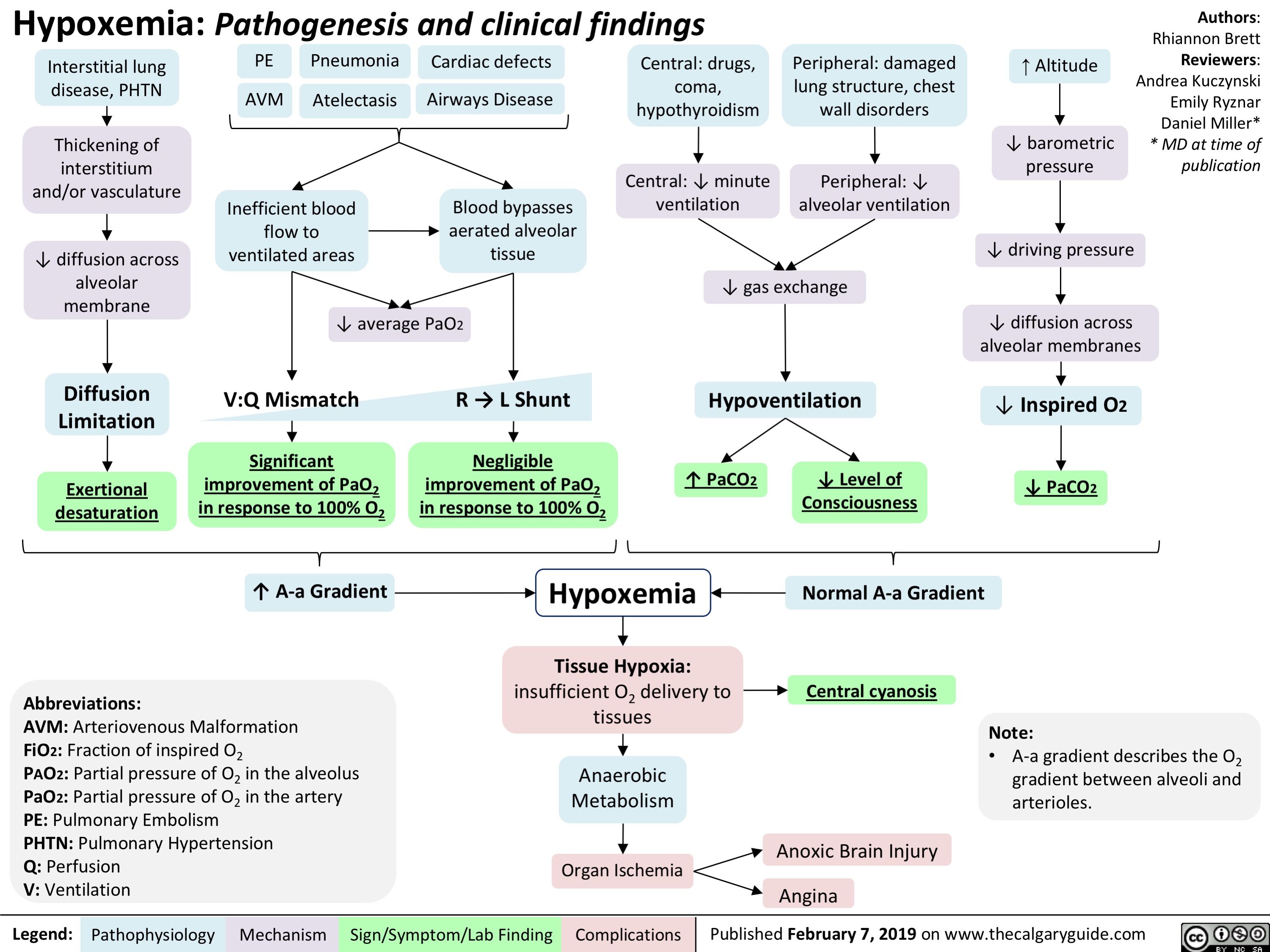
Hypoxemia- Pathogenesis and clinical findings interstitial lung disease pulmonary hypertension thickening of interstitium vasculature diffusion across alveolar membrane diffusion limitation exertional desaturation PE AVM pneumonia atelectasis cardiac defects airways disease inefficient blood flow ventilated areas blood bypasses aerated alveolar tissue V:Q mismatch R L shunt negligible significant improvement paO2 response 100% O2 Central drugs coma hypothyroidism peripheral damaged lung structure chest wall disorders minute ventilation alveolar gas exchange altitude barometric pressure driving pressure diffusion across membranes inspired 
a-a gradient hypoxemia tissue hypoxia cyanosis anaerobic metabolism organ brain anoxic angina

Pathogenesis-of-Female-Infertility

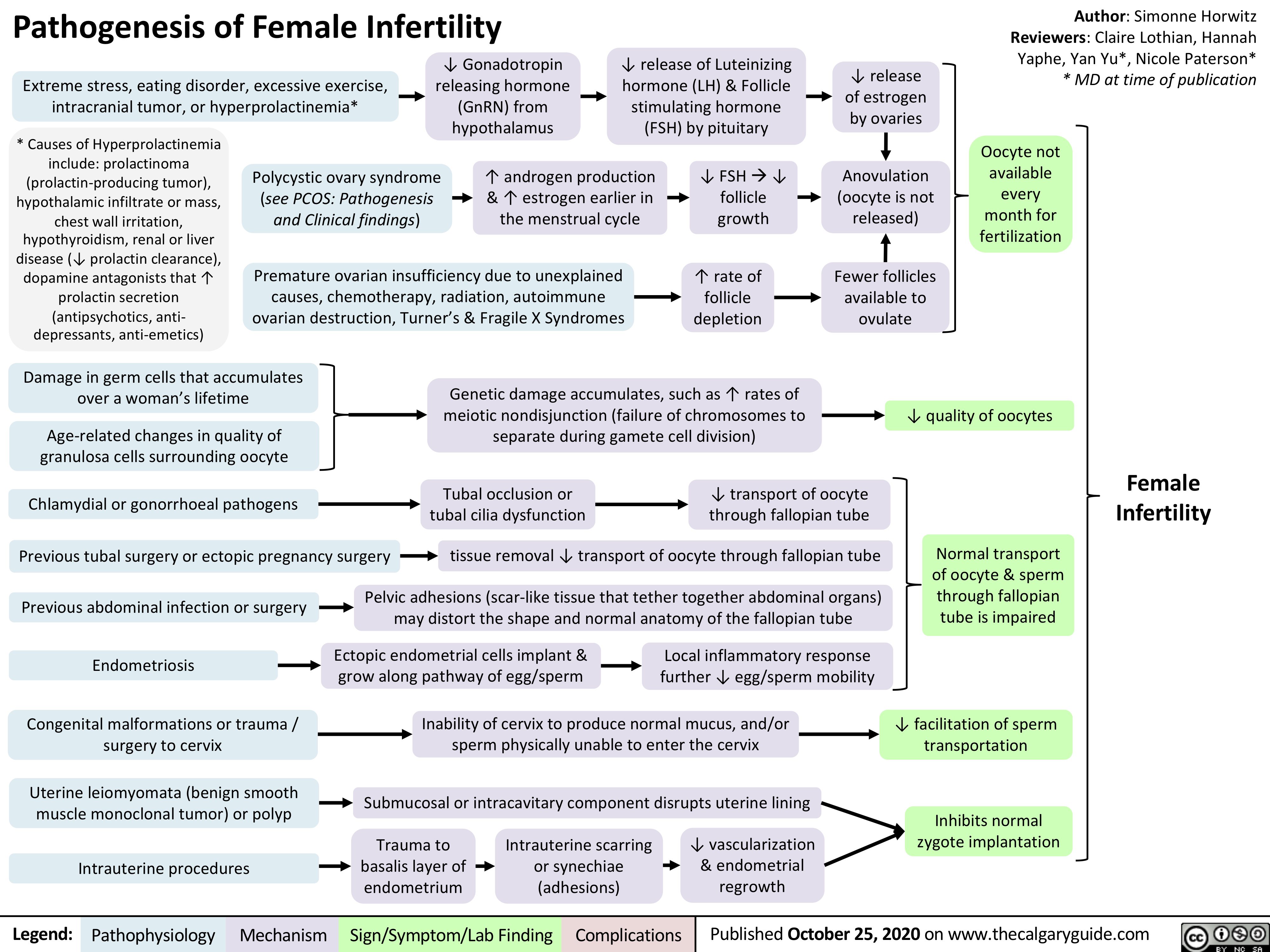
Pathogenesis of Female Infertility
Author: Simonne Horwitz Reviewers: Claire Lothian, Hannah Yaphe, Yan Yu*, Nicole Paterson* * MD at time of publication
     Extreme stress, eating disorder, excessive exercise, intracranial tumor, or hyperprolactinemia*
↓ Gonadotropin releasing hormone (GnRN) from hypothalamus
↓ release of Luteinizing hormone (LH) & Follicle stimulating hormone (FSH) by pituitary
↓ release of estrogen by ovaries
Anovulation (oocyte is not released)
Fewer follicles available to ovulate
      * Causes of Hyperprolactinemia include: prolactinoma (prolactin-producing tumor), hypothalamic infiltrate or mass, chest wall irritation, hypothyroidism, renal or liver disease (↓ prolactin clearance), dopamine antagonists that ↑ prolactin secretion (antipsychotics, anti- depressants, anti-emetics)
Polycystic ovary syndrome (see PCOS: Pathogenesis and Clinical findings)
↑ androgen production & ↑ estrogen earlier in the menstrual cycle
↓ FSHà↓ follicle growth
↑ rate of follicle depletion
Oocyte not available every month for fertilization
            Premature ovarian insufficiency due to unexplained causes, chemotherapy, radiation, autoimmune ovarian destruction, Turner’s & Fragile X Syndromes
    Damage in germ cells that accumulates over a woman’s lifetime
Age-related changes in quality of granulosa cells surrounding oocyte
Genetic damage accumulates, such as ↑ rates of meiotic nondisjunction (failure of chromosomes to separate during gamete cell division)
Tubal occlusion or ↓ transport of oocyte tubal cilia dysfunction through fallopian tube
↓ quality of oocytes
Normal transport of oocyte & sperm through fallopian tube is impaired
↓ facilitation of sperm transportation
Inhibits normal zygote implantation
        Chlamydial or gonorrhoeal pathogens
Previous tubal surgery or ectopic pregnancy surgery       tissue removal ↓ transport of oocyte through fallopian tube
Female Infertility
     Previous abdominal infection or surgery Endometriosis
Congenital malformations or trauma / surgery to cervix
Uterine leiomyomata (benign smooth muscle monoclonal tumor) or polyp
Intrauterine procedures
Pelvic adhesions (scar-like tissue that tether together abdominal organs) may distort the shape and normal anatomy of the fallopian tube
Ectopic endometrial cells implant & Local inflammatory response grow along pathway of egg/sperm further ↓ egg/sperm mobility
Inability of cervix to produce normal mucus, and/or sperm physically unable to enter the cervix
Submucosal or intracavitary component disrupts uterine lining
                    Trauma to basalis layer of endometrium
Intrauterine scarring or synechiae (adhesions)
↓ vascularization & endometrial regrowth
     Legend:
 Pathophysiology
 Mechanism
Sign/Symptom/Lab Finding
  Complications
Published October 25, 2020 on www.thecalgaryguide.com

abnormal-uterine-bleeding-aub-pathogenesis-and-clinical-findings
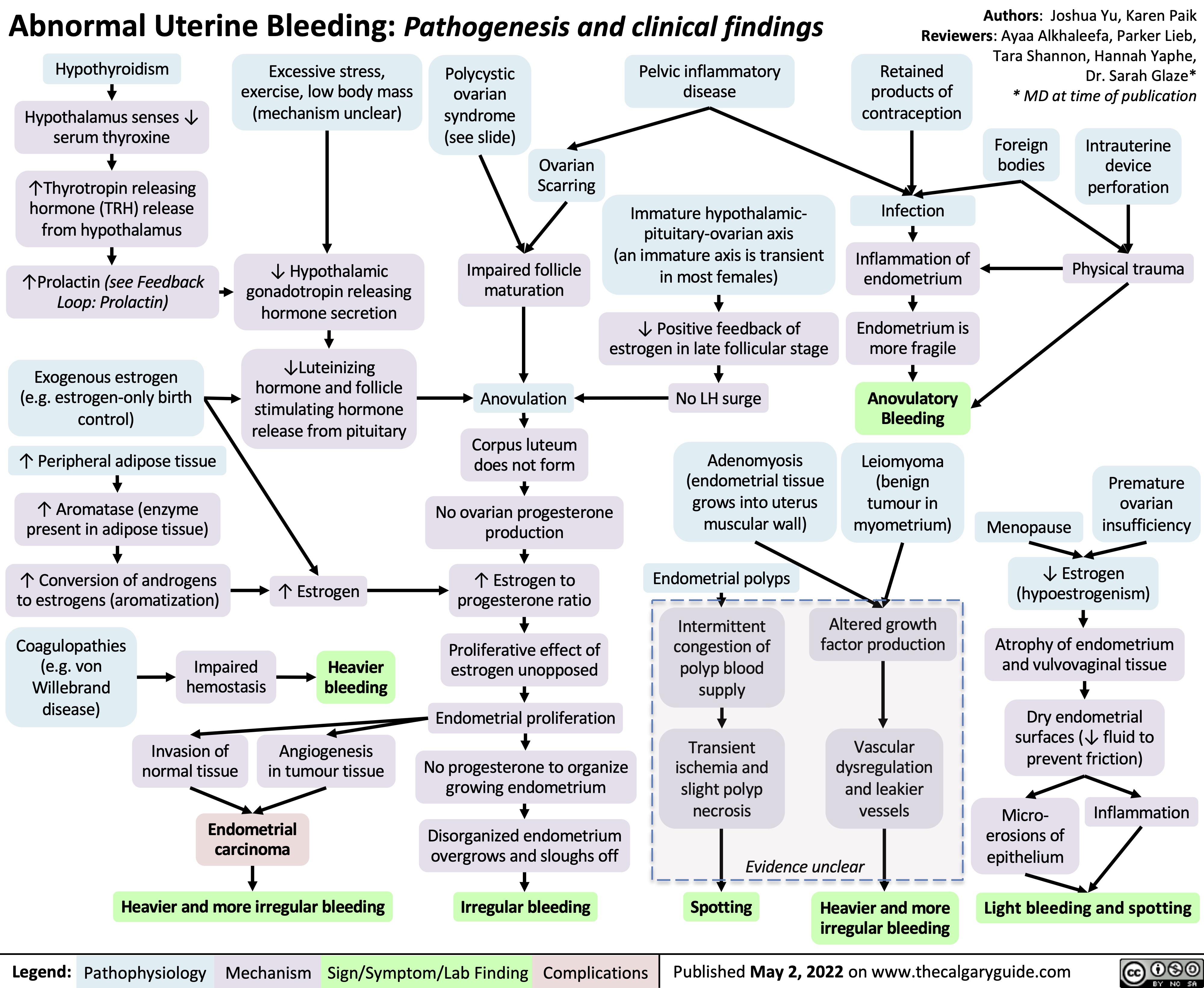
Abnormal Uterine Bleeding: Pathogenesis and clinical findings
Authors: Joshua Yu, Karen Paik Reviewers: Ayaa Alkhaleefa, Parker Lieb,
     Hypothyroidism
Hypothalamus senses ↓ serum thyroxine
↑Thyrotropin releasing hormone (TRH) release from hypothalamus
↑Prolactin (see Feedback Loop: Prolactin)
Exogenous estrogen (e.g. estrogen-only birth control)
↑ Peripheral adipose tissue
↑ Aromatase (enzyme present in adipose tissue)
↑ Conversion of androgens to estrogens (aromatization)
Excessive stress, exercise, low body mass (mechanism unclear)
↓ Hypothalamic gonadotropin releasing hormone secretion
↓Luteinizing hormone and follicle stimulating hormone release from pituitary
↑ Estrogen
Heavier bleeding
Angiogenesis in tumour tissue
Polycystic ovarian syndrome (see slide)
Pelvic inflammatory disease
Immature hypothalamic- pituitary-ovarian axis
(an immature axis is transient in most females)
↓ Positive feedback of estrogen in late follicular stage
No LH surge
Adenomyosis (endometrial tissue grows into uterus muscular wall)
Endometrial polyps
Retained products of contraception
Infection
Inflammation of endometrium
Endometrium is more fragile
Anovulatory Bleeding
Leiomyoma (benign tumour in myometrium)
Tara Shannon, Hannah Yaphe, Dr. Sarah Glaze* * MD at time of publication
       Ovarian Scarring
Foreign bodies
Intrauterine device perforation
Physical trauma
          Impaired follicle maturation
Anovulation
Corpus luteum does not form
No ovarian progesterone production
↑ Estrogen to progesterone ratio
Proliferative effect of estrogen unopposed
Endometrial proliferation
No progesterone to organize growing endometrium
Disorganized endometrium overgrows and sloughs off
Irregular bleeding
Menopause
Premature ovarian insufficiency
                                Intermittent congestion of polyp blood supply
Transient ischemia and slight polyp necrosis
Altered growth factor production
Vascular dysregulation and leakier vessels
   Coagulopathies (e.g. von Willebrand disease)
Impaired hemostasis
Invasion of normal tissue
↓ Estrogen (hypoestrogenism)
Atrophy of endometrium and vulvovaginal tissue
Dry endometrial surfaces (↓ fluid to prevent friction)
                Endometrial carcinoma
Micro- erosions of epithelium
Inflammation
    Evidence unclear
      Heavier and more irregular bleeding
Spotting
Heavier and more irregular bleeding
Light bleeding and spotting
 Legend:
 Pathophysiology
Mechanism
Sign/Symptom/Lab Finding
 Complications
 Published May 2, 2022 on www.thecalgaryguide.com

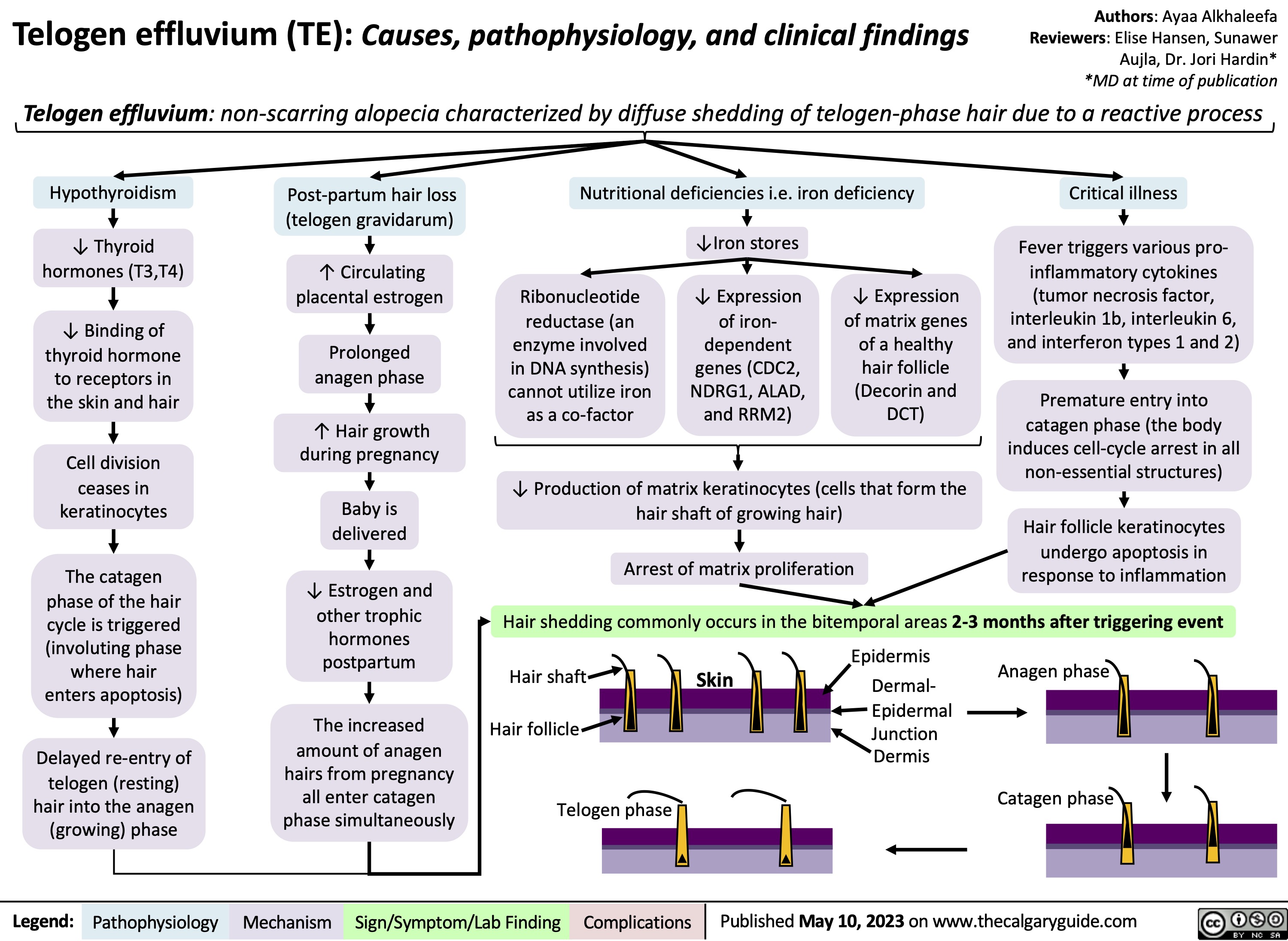
Telogen Effluvium

Authors: Ayaa Alkhaleefa Telogen effluvium (TE): Causes, pathophysiology, and clinical findings Reviewers: Elise Hansen, Sunawer Aujla, Dr. Jori Hardin* *MD at time of publication
Telogen effluvium: non-scarring alopecia characterized by diffuse shedding of telogen-phase hair due to a reactive process
        Hypothyroidism
↓ Thyroid hormones (T3,T4)
↓ Binding of thyroid hormone to receptors in the skin and hair
Cell division ceases in keratinocytes
The catagen phase of the hair cycle is triggered (involuting phase where hair enters apoptosis)
Delayed re-entry of telogen (resting)
hair into the anagen (growing) phase
Post-partum hair loss (telogen gravidarum)
↑ Circulating placental estrogen
Prolonged anagen phase
↑ Hair growth during pregnancy
Baby is delivered
↓ Estrogen and other trophic
hormones postpartum
The increased amount of anagen
hairs from pregnancy all enter catagen phase simultaneously
Nutritional deficiencies i.e. iron deficiency
Critical illness
Fever triggers various pro- inflammatory cytokines (tumor necrosis factor, interleukin 1b, interleukin 6, and interferon types 1 and 2)
Premature entry into catagen phase (the body induces cell-cycle arrest in all non-essential structures)
Hair follicle keratinocytes undergo apoptosis in response to inflammation
         Ribonucleotide reductase (an enzyme involved in DNA synthesis) cannot utilize iron as a co-factor
↓Iron stores
↓ Expression of iron-
dependent genes (CDC2, NDRG1, ALAD, and RRM2)
↓ Expression of matrix genes of a healthy hair follicle (Decorin and DCT)
       ↓ Production of matrix keratinocytes (cells that form the hair shaft of growing hair)
     Arrest of matrix proliferation
Hair shedding commonly occurs in the bitemporal areas 2-3 months after triggering event
          Hair shaft Hair follicle
Telogen phase
Skin
Epidermis
Dermal- Anagen phase
  Epidermal Junction Dermis
      Catagen phase
         Legend:
 Pathophysiology
 Mechanism
 Sign/Symptom/Lab Finding
 Complications
 Published May 10, 2023 on www.thecalgaryguide.com

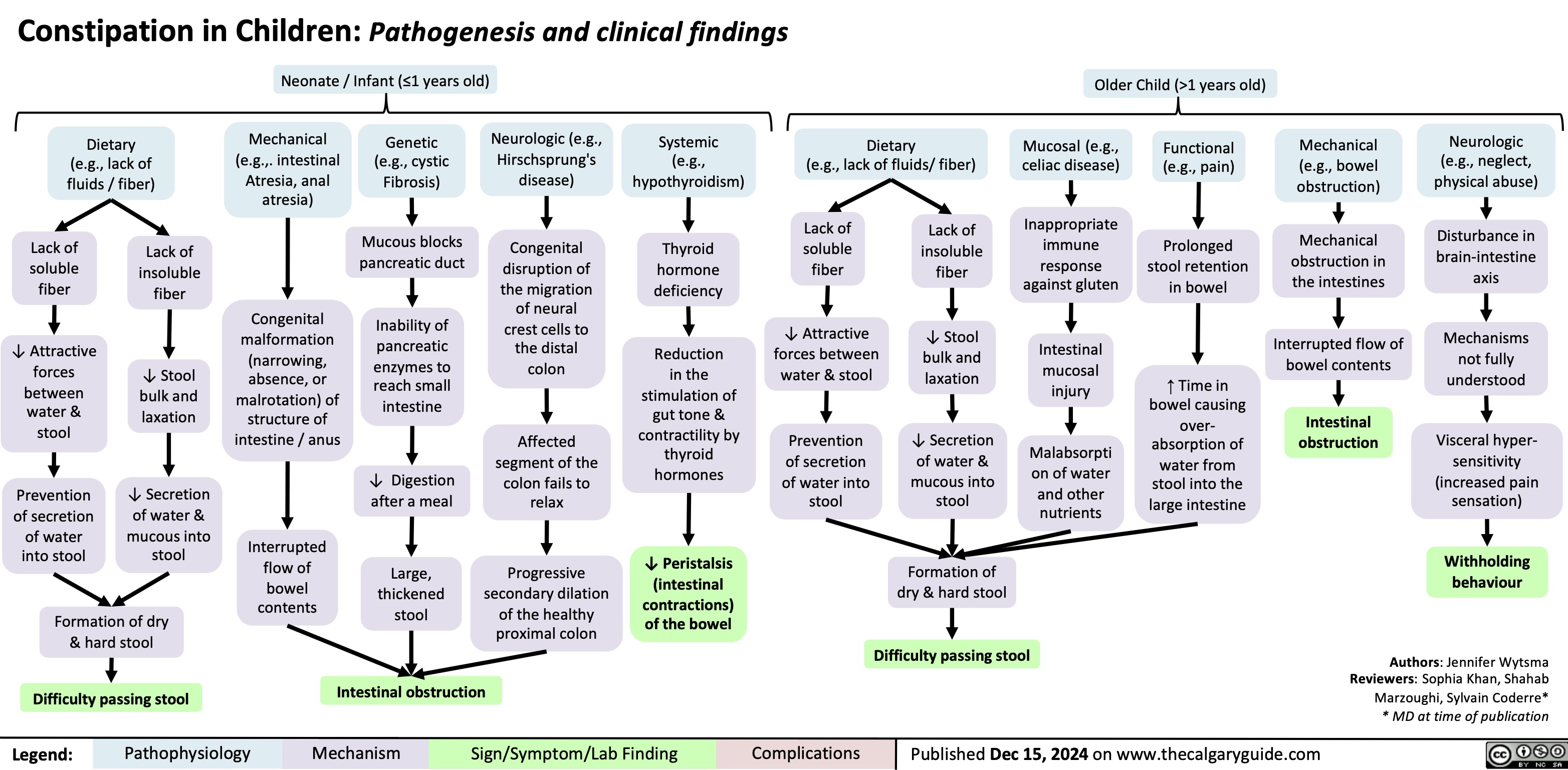
Constipation in Children

Constipation in Children: Pathogenesis and clinical findings Neonate / Infant (≤1 years old)
Older Child (>1 years old)
              Dietary (e.g., lack of fluids / fiber)
Mechanical (e.g.,. intestinal Atresia, anal atresia)
Congenital malformation (narrowing, absence, or malrotation) of structure of intestine / anus
Interrupted flow of bowel contents
Genetic (e.g., cystic Fibrosis)
Mucous blocks pancreatic duct
Inability of pancreatic enzymes to reach small intestine
↓ Digestion after a meal
Large, thickened stool
Neurologic (e.g., Hirschsprung's disease)
Congenital disruption of the migration of neural crest cells to the distal colon
Affected segment of the colon fails to relax
Progressive secondary dilation of the healthy proximal colon
Systemic (e.g., hypothyroidism)
Thyroid hormone deficiency
Reduction in the stimulation of gut tone & contractility by thyroid hormones
↓ Peristalsis (intestinal contractions) of the bowel
Dietary
(e.g., lack of fluids/ fiber)
Mucosal (e.g., celiac disease)
Inappropriate immune response against gluten
Intestinal mucosal injury
Malabsorpti on of water and other nutrients
Functional (e.g., pain)
Prolonged stool retention in bowel
↑ Time in bowel causing over- absorption of water from stool into the large intestine
Mechanical (e.g., bowel obstruction)
Mechanical obstruction in the intestines
Interrupted flow of bowel contents
Intestinal obstruction
Neurologic (e.g., neglect, physical abuse)
Disturbance in brain-intestine axis
Mechanisms not fully understood
Visceral hyper- sensitivity
(increased pain sensation)
Withholding behaviour
             Lack of soluble fiber
↓ Attractive forces between water & stool
Prevention of secretion of water into stool
Lack of insoluble fiber
↓ Stool bulk and laxation
↓ Secretion of water &
mucous into stool
Lack of soluble fiber
↓ Attractive forces between water & stool
Prevention of secretion of water into stool
Lack of insoluble fiber
↓ Stool bulk and laxation
↓ Secretion of water & mucous into stool
Formation of dry & hard stool
                                     Formation of dry & hard stool
Difficulty passing stool
Authors: Jennifer Wytsma Reviewers: Sophia Khan, Shahab Marzoughi, Sylvain Coderre* * MD at time of publication
    Intestinal obstruction
  Legend:
 Pathophysiology
 Mechanism
 Sign/Symptom/Lab Finding
 Complications
 Published Dec 15, 2024 on www.thecalgaryguide.com

Pituitary Tumour Classification and Clinical Outcomes
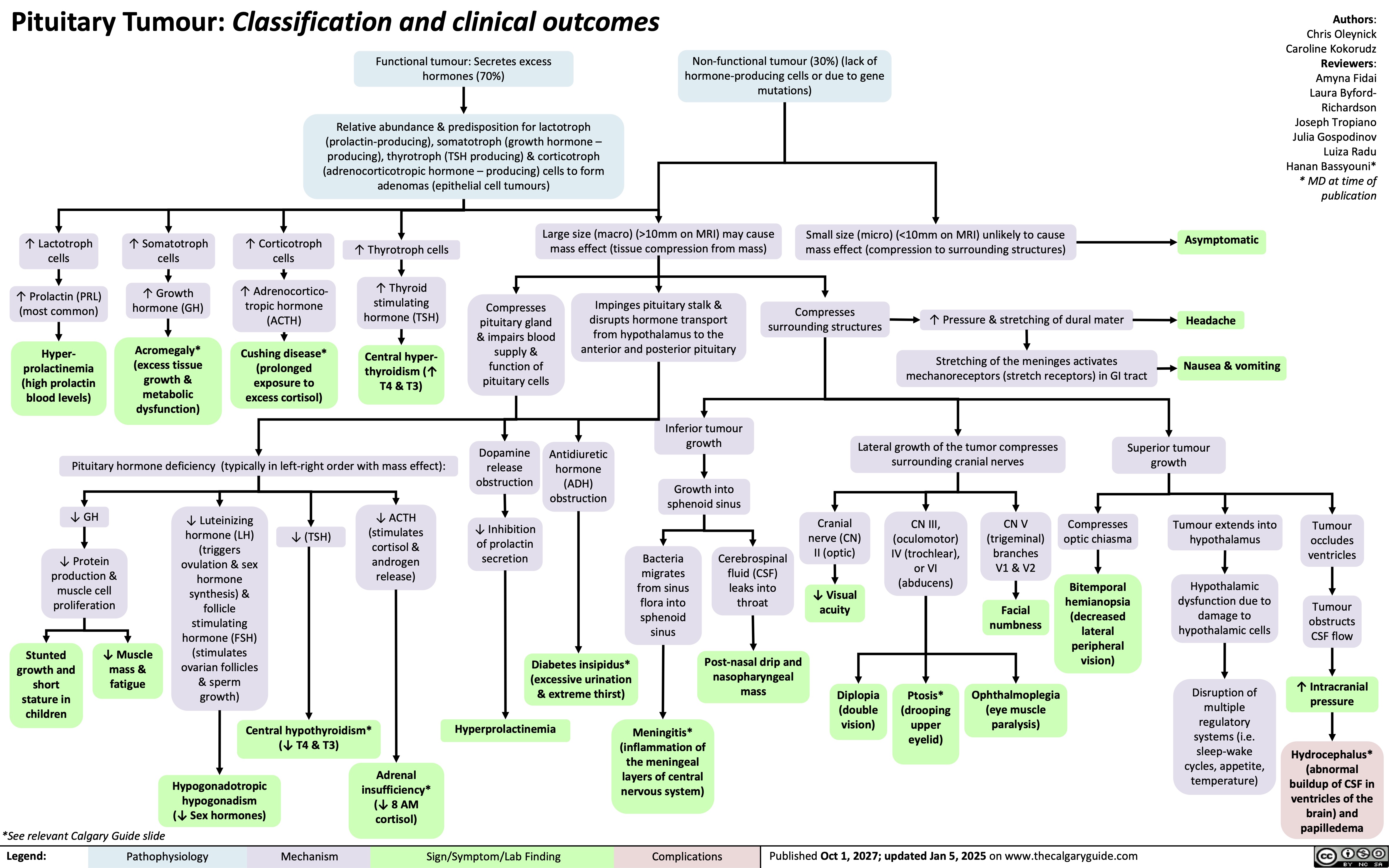
Pituitary Tumour: Classification and clinical outcomes Functional tumour: Secretes excess
Non-functional tumour (30%) (lack of hormone-producing cells or due to gene mutations)
Authors: Chris Oleynick Caroline Kokorudz Reviewers: Amyna Fidai Laura Byford- Richardson Joseph Tropiano Julia Gospodinov Luiza Radu Hanan Bassyouni* * MD at time of publication
  hormones (70%)
Relative abundance & predisposition for lactotroph (prolactin-producing), somatotroph (growth hormone – producing), thyrotroph (TSH producing) & corticotroph (adrenocorticotropic hormone – producing) cells to form adenomas (epithelial cell tumours)
            ↑ Lactotroph cells
↑ Prolactin (PRL) (most common)
Hyper- prolactinemia (high prolactin blood levels)
↑ Somatotroph cells
↑ Growth hormone (GH)
Acromegaly* (excess tissue growth & metabolic dysfunction)
↑ Corticotroph cells
↑ Adrenocortico- tropic hormone (ACTH)
Cushing disease* (prolonged exposure to excess cortisol)
↑ Thyrotroph cells
↑ Thyroid stimulating hormone (TSH)
Central hyper- thyroidism (↑ T4 & T3)
Large size (macro) (>10mm on MRI) may cause mass effect (tissue compression from mass)
Small size (micro) (<10mm on MRI) unlikely to cause mass effect (compression to surrounding structures)
Asymptomatic
Headache
Nausea & vomiting
          Compresses pituitary gland & impairs blood supply & function of pituitary cells
Impinges pituitary stalk & disrupts hormone transport from hypothalamus to the anterior and posterior pituitary
Compresses surrounding structures
↑ Pressure & stretching of dural mater
Stretching of the meninges activates mechanoreceptors (stretch receptors) in GI tract
                Pituitary hormone deficiency (typically in left-right order with mass effect):
Dopamine release obstruction
↓ Inhibition of prolactin secretion
Antidiuretic hormone (ADH) obstruction
Inferior tumour growth
Growth into sphenoid sinus
Lateral growth of the tumor compresses surrounding cranial nerves
Superior tumour growth
        ↓ GH
↓ Protein production & muscle cell proliferation
↓ Luteinizing hormone (LH) (triggers ovulation & sex hormone synthesis) & follicle stimulating hormone (FSH) (stimulates ovarian follicles & sperm growth)
↓ (TSH)
↓ ACTH (stimulates cortisol & androgen release)
Cranial nerve (CN) II (optic)
↓ Visual acuity
Diplopia (double vision)
CN III, (oculomotor) IV (trochlear), or VI (abducens)
Ptosis* (drooping upper eyelid)
CN V (trigeminal) branches V1 & V2
Facial numbness
Ophthalmoplegia (eye muscle paralysis)
Compresses optic chiasma
Bitemporal hemianopsia (decreased lateral peripheral vision)
Tumour extends into hypothalamus
Hypothalamic dysfunction due to damage to hypothalamic cells
Disruption of multiple regulatory systems (i.e. sleep-wake cycles, appetite, temperature)
Tumour occludes ventricles
Tumour obstructs CSF flow
↑ Intracranial pressure
Hydrocephalus* (abnormal buildup of CSF in ventricles of the brain) and papilledema
           Bacteria migrates from sinus flora into sphenoid sinus
Cerebrospinal fluid (CSF) leaks into throat
Post-nasal drip and nasopharyngeal mass
          Stunted growth and short stature in children
↓ Muscle mass & fatigue
Diabetes insipidus* (excessive urination & extreme thirst)
           Central hypothyroidism* (↓ T4 & T3)
Hyperprolactinemia
Meningitis* (inflammation of the meningeal layers of central nervous system)
   *See relevant Calgary Guide slide
Hypogonadotropic hypogonadism (↓ Sex hormones)
Adrenal insufficiency* (↓ 8 AM cortisol)
 Legend:
 Pathophysiology
 Mechanism
 Sign/Symptom/Lab Finding
 Complications
 Published Oct 1, 2027; updated Jan 5, 2025 on www.thecalgaryguide.com

PROP1-Related Combined Pituitary Hormone Deficiency
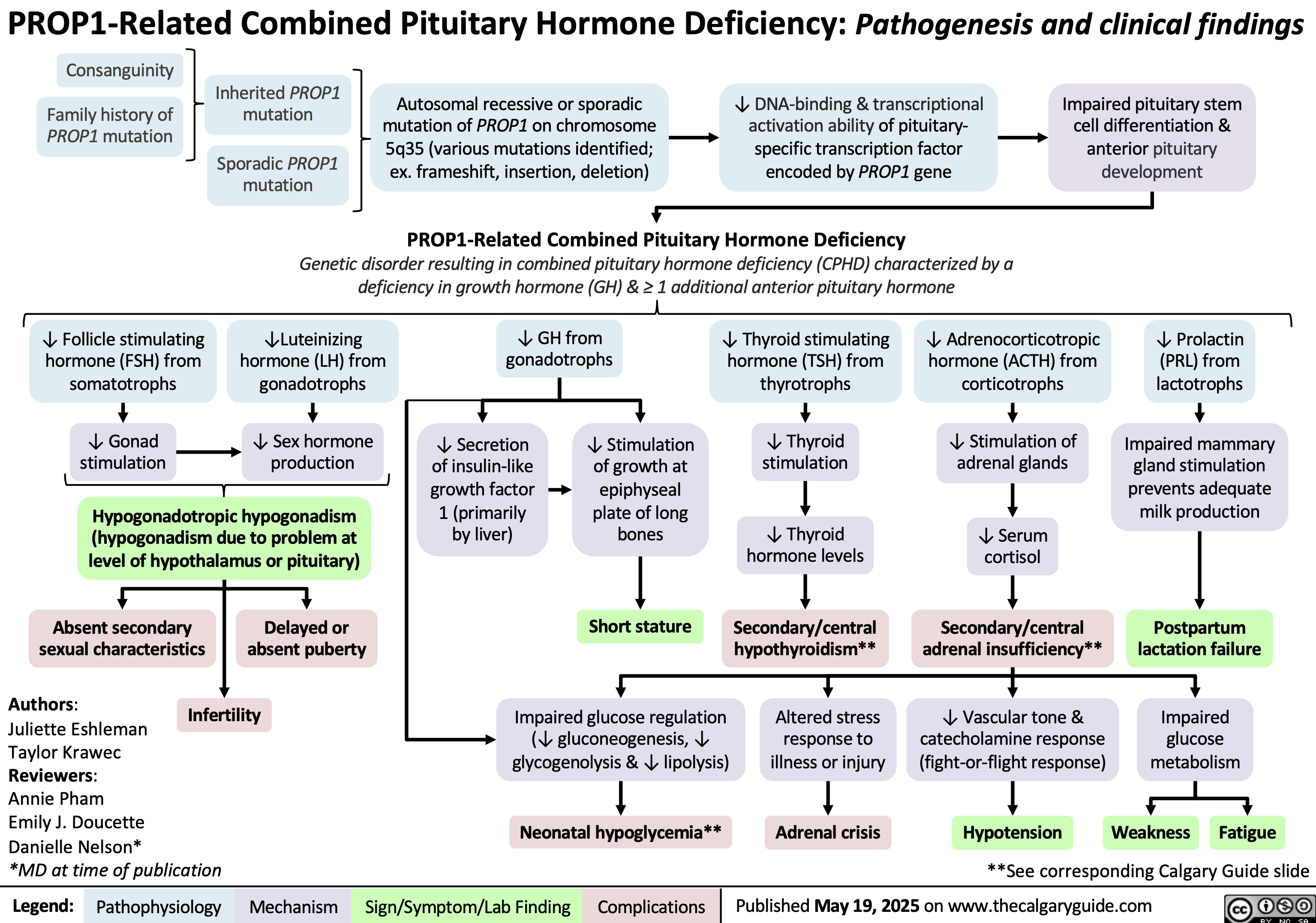
↓ DNA-binding & transcriptional
Impaired pituitary stem
cell differentiation &
anterior pituitary
development
↓ Prolactin
(PRL) from
lactotrophs
Impaired mammary
gland stimulation
prevents adequate
milk production
PROP1-Related Combined Pituitary Hormone Deficiency: Pathogenesis and clinical findings
Consanguinity
Inherited PROP1
mutation
Family history of
PROP1 mutation
Sporadic PROP1
mutation
Autosomal recessive or sporadic
mutation of PROP1 on chromosome
5q35 (various mutations identified;
ex. frameshift, insertion, deletion)
activation ability of pituitary-
specific transcription factor
encoded by PROP1 gene
PROP1-Related Combined Pituitary Hormone Deficiency
Genetic disorder resulting in combined pituitary hormone deficiency (CPHD) characterized by a
deficiency in growth hormone (GH) & ≥ 1 additional anterior pituitary hormone
↓ Follicle stimulating
hormone (FSH) from
somatotrophs
↓Luteinizing
hormone (LH) from
gonadotrophs
↓ GH from
gonadotrophs
↓ Thyroid stimulating
hormone (TSH) from
thyrotrophs
↓ Adrenocorticotropic
hormone (ACTH) from
corticotrophs
↓ Gonad
stimulation
↓ Sex hormone
production
Hypogonadotropic hypogonadism
(hypogonadism due to problem at
level of hypothalamus or pituitary)
↓ Secretion
of insulin-like
growth factor
1 (primarily
↓ Stimulation
of growth at
↓ Thyroid
stimulation
↓ Stimulation of
adrenal glands
epiphyseal
plate of long
bones
↓ Thyroid
by liver) ↓ Serum
hormone levels
cortisol
Absent secondary
sexual characteristics
Delayed or
absent puberty
Short stature
Secondary/central
hypothyroidism**
Secondary/central
adrenal insufficiency**
Postpartum
lactation failure
Authors:
Juliette Eshleman
Taylor Krawec
Reviewers:
Annie Pham
Emily J. Doucette
Danielle Nelson*
*MD at time of publication
Impaired glucose regulation
(↓ gluconeogenesis, ↓
glycogenolysis & ↓ lipolysis)
Altered stress
response to
illness or injury
↓ Vascular tone &
catecholamine response
(fight-or-flight response)
Impaired
glucose
metabolism
Neonatal hypoglycemia**
Adrenal crisis
Hypotension
Weakness
Fatigue
**See corresponding Calgary Guide slide
Legend: Pathophysiology Published May 19, 2025 on www.thecalgaryguide.com
Infertility
Mechanism
Sign/Symptom/Lab Finding Complications

Obesity Hypoventilation Syndrome

Obesity Hypoventilation Syndrome: Pathogenesis and clinical findings
Obesity (BMI ≥ 30 kg/m2) risk factors: Poor eating patterns, sedentary lifestyle, genetic predisposition,
hypothyroidism, Cushing’s syndrome, socio-economic factors, age
Sleep-disordered breathing risk factors: Family history, tonsillar or adenoidal
hypertrophy, ↑ neck circumference, type 2 diabetes, HTN
Authors: Mohammad Omer
Mujtaba Siddique
Reviewers:
Ali Babwani
Luiza Radu
Jonathan Liu*
MD at time of publication*
↑ Adipose deposition
in abdomen
Abdominal fat pushes
against diaphragm
↑ Diaphragmatic
displacement
↑ Resistance to chest
wall expansion
↑Leptin resistance
High pressure
Pharyngeal
on upper airway
dilations unable
Secondary depression
↓ Chest wall
↓ Leptins ability to stimulate
↑ lung
to compensate
Narrowing of
(compromised function) of
Poor ventilation to
expansion
ventilation (mechanism unknown)
collapsibility
for weight
upper airways
respiratory system
lower lobes of lungs
↓ Tidal volume (air
that moves in/out of
lungs in a respiratory
cycle)
↑ Respiratory rate
↑ Chest wall thickness ↑ Leptin (a hormone released by
adipose tissues that controls hunger by
signaling fullness)
↑ Adipose
deposition near
upper airways
↑ Buildup of
edema in lower
extremities
↑ Respiratory
workload
↓ Chest wall
compliance (ability to
stretch)
↓ Leptin receptor
expression
↓ Leptin through
blood-brain barrier
↓ Pharyngeal space
Respiratory system is
unable to compensate to ↑
Fluid shifts from
demands
legs to neck during
sleep
Hypoventilation in sleep
↓ Ventilation (air exchange in lungs)
↑ PaCO₂ (partial pressure of arterial carbon
dioxide)
↑ Serum [H+]
↑ Serum [HCO3
-] by renal
reabsorption buffers [H+] rise
↓ PaO₂
(partial pressure of arterial oxygen)
Hypoxia (low
O₂ in tissue)
Higher PaCO₂ required to
reduce pH
↓ O₂ levels in alveoli triggers pulmonary
vessel vasoconstriction
PaCO₂ > 45
mmHG
Respiratory
acidosis
↓ response to CO₂ in central
chemoreceptors in brain
Pulmonary hypertension (high pressure in
pulmonary arteries)
↓ Neural drive
↓ Ventilatory responsiveness
) Right heart pumps against higher
pulmonary pressure leading to
cardiomyocyte hypertrophy
Cor pulmonale
(right-sided heart
failure)
Fatigue
Chronic hypercapnia
(↑ CO2 retention)
Pathophysiology Legend: Mechanism
Sign/Symptom/Lab Finding Complications
Morning headaches
Daytime lethargy
Published Jun 16, 2025 on www.thecalgaryguide.com

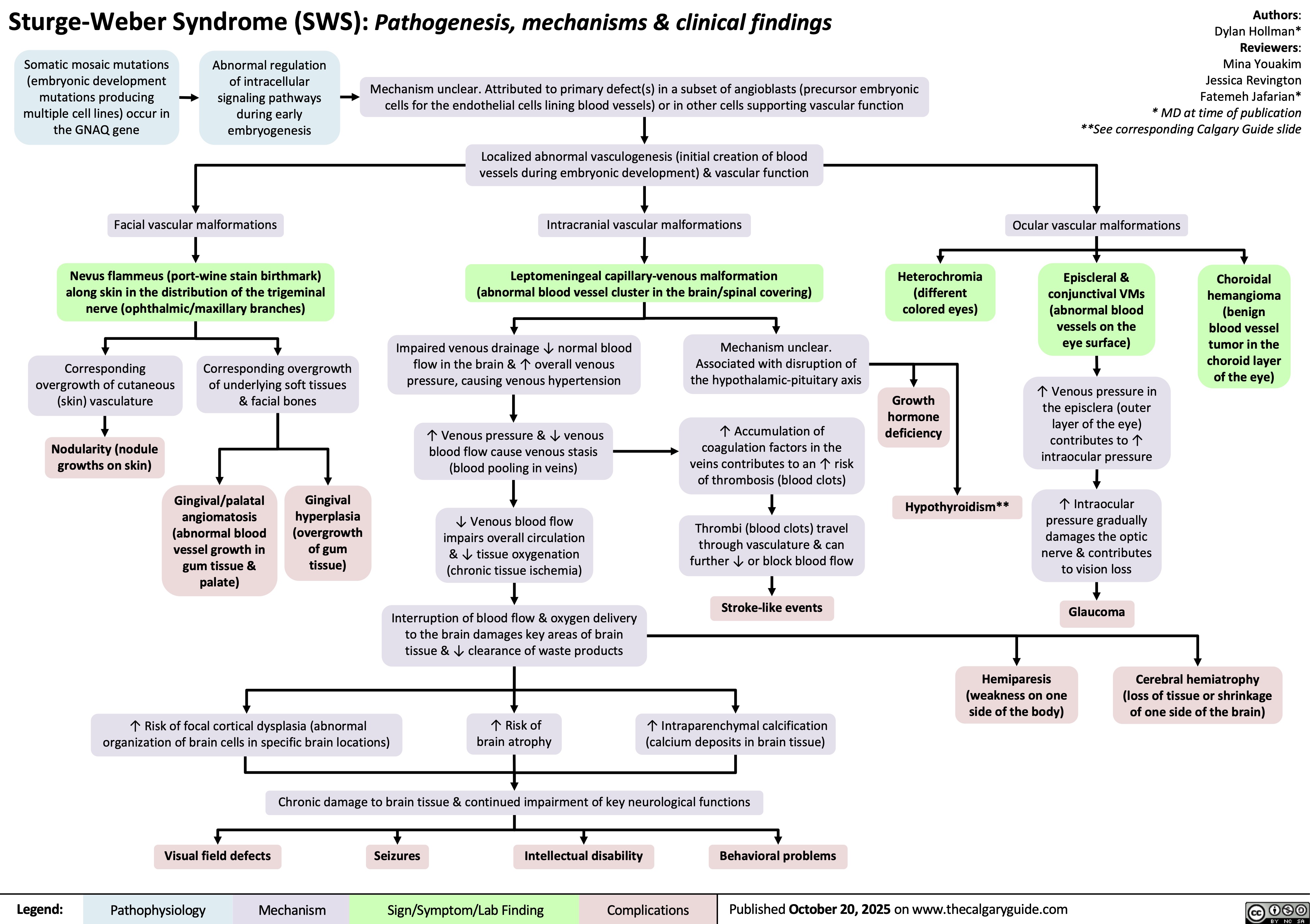
Sturge-Weber Syndrome

Sturge-Weber Syndrome (SWS): Pathogenesis, mechanisms & clinical findings
Somatic mosaic mutations
(embryonic development
mutations producing
multiple cell lines) occur in
the GNAQ gene
Abnormal regulation
of intracellular
signaling pathways
during early
embryogenesis
Mechanism unclear. Attributed to primary defect(s) in a subset of angioblasts (precursor embryonic
cells for the endothelial cells lining blood vessels) or in other cells supporting vascular function
Authors:
Dylan Hollman*
Reviewers:
Mina Youakim
Jessica Revington
Fatemeh Jafarian*
* MD at time of publication
**See corresponding Calgary Guide slide
Localized abnormal vasculogenesis (initial creation of blood
vessels during embryonic development) & vascular function
Facial vascular malformations Intracranial vascular malformations Ocular vascular malformations
Nevus flammeus (port-wine stain birthmark)
along skin in the distribution of the trigeminal
nerve (ophthalmic/maxillary branches)
Leptomeningeal capillary-venous malformation
(abnormal blood vessel cluster in the brain/spinal covering)
Heterochromia
(different
colored eyes)
Episcleral &
conjunctival VMs
(abnormal blood
vessels on the
eye surface)
Corresponding
overgrowth of cutaneous
(skin) vasculature
Corresponding overgrowth
of underlying soft tissues
& facial bones
Impaired venous drainage ↓ normal blood
flow in the brain & ↑ overall venous
pressure, causing venous hypertension
Mechanism unclear.
Associated with disruption of
the hypothalamic-pituitary axis
Choroidal
hemangioma
(benign
blood vessel
tumor in the
choroid layer
of the eye)
Growth
hormone
deficiency
Nodularity (nodule
growths on skin)
↑ Venous pressure & ↓ venous
blood flow cause venous stasis
(blood pooling in veins)
↑ Accumulation of
coagulation factors in the
veins contributes to an ↑ risk
of thrombosis (blood clots)
↑ Venous pressure in
the episclera (outer
layer of the eye)
contributes to ↑
intraocular pressure
Hypothyroidism**
↓ Venous blood flow
impairs overall circulation
& ↓ tissue oxygenation
(chronic tissue ischemia)
Thrombi (blood clots) travel
through vasculature & can
further ↓ or block blood flow
↑ Intraocular
pressure gradually
damages the optic
nerve & contributes
to vision loss
Stroke-like events
Glaucoma
Interruption of blood flow & oxygen delivery
to the brain damages key areas of brain
tissue & ↓ clearance of waste products
Hemiparesis
(weakness on one
side of the body)
Cerebral hemiatrophy
(loss of tissue or shrinkage
of one side of the brain)
↑ Risk of focal cortical dysplasia (abnormal
organization of brain cells in specific brain locations)
↑ Risk of
brain atrophy
↑ Intraparenchymal calcification
(calcium deposits in brain tissue)
Chronic damage to brain tissue & continued impairment of key neurological functions
Visual field defects
Seizures
Intellectual disability Behavioral problems
Pathophysiology Mechanism
Sign/Symptom/Lab Finding Complications
Published October 20, 2025 on www.thecalgaryguide.com
Gingival/palatal
angiomatosis
(abnormal blood
vessel growth in
gum tissue &
palate)
Gingival
hyperplasia
(overgrowth
of gum
tissue)
Legend: 
Sturge-Weber syndrome (SWS): Pathogenesis and clinical findings
Somatic mosaic mutations in the GNAQ gene
Authors:
Dylan Hollman*
Reviewers:
Mina Youakim
Fatemeh Jafarian*
* MD at time of publication
Abnormal regulation of intracellular signalling pathway in early embryogenesis
Unclear mechanism → Primary defect in subset of angioblasts or other vascular supporting cells
Facial vascular
malformations (VMs)
Localized abnormal vasculogenesis & vascular function
Ocular vascular
malformations (VMs)
Port-wine stain
(flat, red or purple birthmark caused by
dilated blood vessels) → commonly affects
trigeminal nerve (ophthalmic/maxillary)
Intracranial vascular
malformations (VMs)
Choroidal
Heterochromi
Episcleral &
hemangioma
a
conjunctival VMs
(benign tumor
(different
(abnormal blood
Leptomeningeal
of blood vessels
colored eyes)
vessels on the
capillary-venous
in the choroid
eye's surface)
Overgrowth of
Overgrowth of
malformation
layer of the eye)
underlying soft
cutaneous
(abnormal blood
tissue & bone
vasculature
vessel cluster in the
↑ episcleral
brain/spinal
(eye’s outer
Nodularity
Gingival/palatal
covering)
layer) venous
angiomatosis
pressure
(abnormal blood
Gingival
Glaucoma
vessel growth in
hyperplasia
Venous hypertension
gum tissue &
(overgrowth of gum
palate)
tissue)
Chronic tissue ischemia
Thrombosis
Hemiparesis
(weakness on one
side of body)
Venous
stasis
Unclear mechanism
→ disruption of
hypothalamic-pituitary axis
Focal cortical dysplasia
(abnormal brain tissue in
specific areas)
Intraparenchymal
calcification (calcium
deposits in brain tissue)
Stroke-like events
Hemiatrophy
(loss of tissue or
shrinkage on one
side of body) Hypothyroidism Growth hormone
deficiency
Seizures
Visual field defects
Intellectual disability Behavioral problems
Legend: Pathophysiology Mechanism
Sign/Symptom/Lab Finding Complications
Published MONTH, DAY, YEAR on www.thecalgaryguide.com
Brain
atrophy

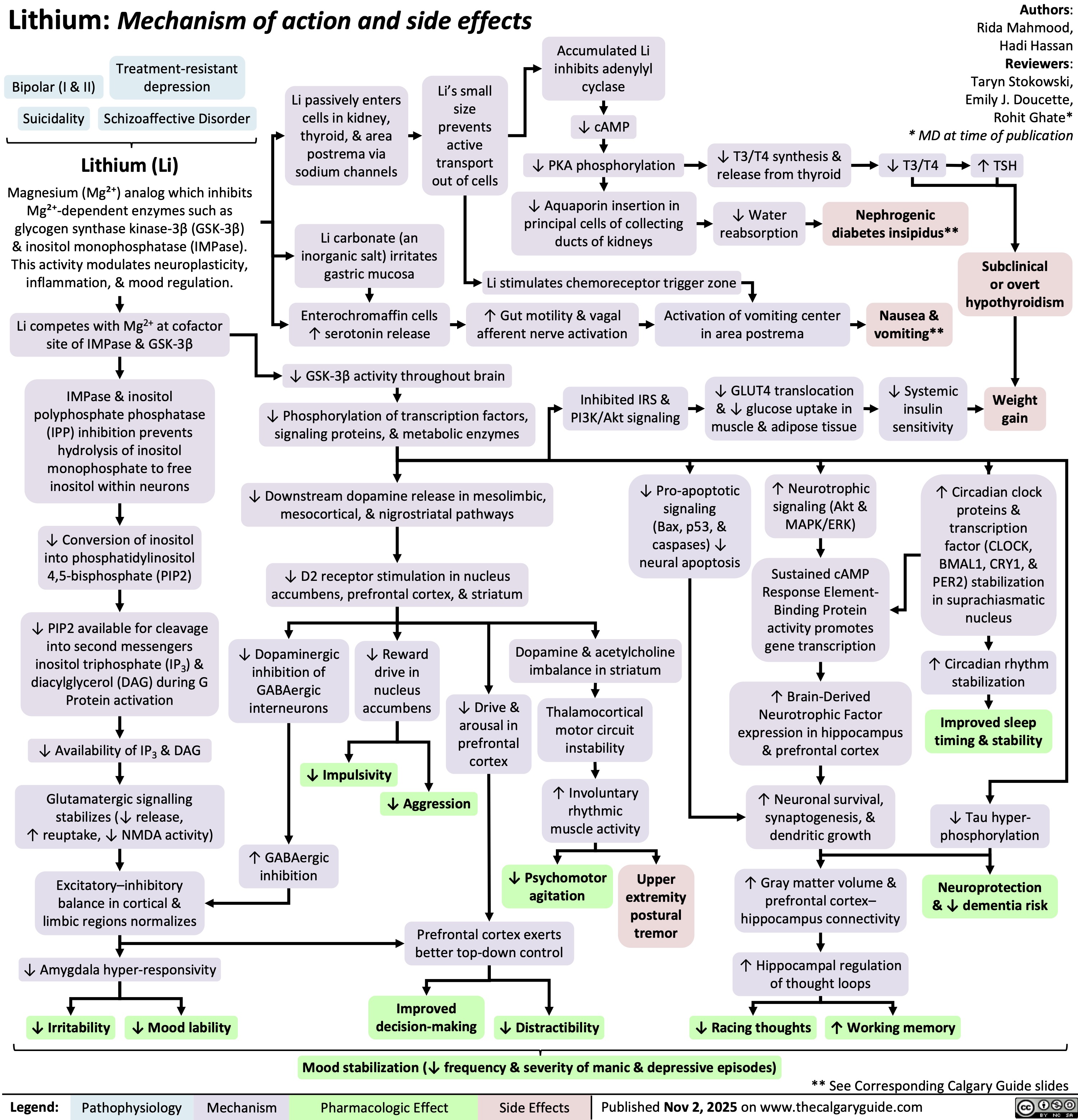
Lithium

Lithium: Mechanism of action and side effects
Bipolar (I & II)
Treatment-resistant
depression
Accumulated Li
inhibits adenylyl
cyclase
Suicidality
Schizoaffective Disorder
Li passively enters
cells in kidney,
thyroid, & area
postrema via
sodium channels
Li’s small
size
prevents
active
transport
out of cells
↓ cAMP
↓ PKA phosphorylation
Lithium (Li)
Magnesium (Mg²⁺) analog which inhibits
Mg²⁺-dependent enzymes such as
glycogen synthase kinase-3β (GSK-3β)
& inositol monophosphatase (IMPase).
This activity modulates neuroplasticity,
inflammation, & mood regulation.
↓ T3/T4 synthesis &
release from thyroid
Authors:
Rida Mahmood,
Hadi Hassan
Reviewers:
Taryn Stokowski,
Emily J. Doucette,
Rohit Ghate*
* MD at time of publication
↓ T3/T4
↑ TSH
↓ Aquaporin insertion in
principal cells of collecting
ducts of kidneys
↓ Water
reabsorption
Nephrogenic
diabetes insipidus**
Li carbonate (an
inorganic salt) irritates
gastric mucosa
Li stimulates chemoreceptor trigger zone
Subclinical
or overt
hypothyroidism
Li competes with Mg2+ at cofactor
site of IMPase & GSK-3β
Enterochromaffin cells
↑ serotonin release
↑ Gut motility & vagal
afferent nerve activation
Activation of vomiting center
in area postrema
Nausea &
vomiting**
↓ GSK-3β activity throughout brain
IMPase & inositol
polyphosphate phosphatase
(IPP) inhibition prevents
hydrolysis of inositol
monophosphate to free
inositol within neurons
Inhibited IRS &
↓ Phosphorylation of transcription factors,
PI3K/Akt signaling
signaling proteins, & metabolic enzymes
↓ GLUT4 translocation
& ↓ glucose uptake in
muscle & adipose tissue
↓ Systemic
insulin
sensitivity
Weight
gain
↓ Downstream dopamine release in mesolimbic,
mesocortical, & nigrostriatal pathways
↓ Conversion of inositol
into phosphatidylinositol
4,5-bisphosphate (PIP2)
↓ Pro-apoptotic
signaling
(Bax, p53, &
caspases) ↓
neural apoptosis
↑ Neurotrophic
signaling (Akt &
MAPK/ERK)
↓ D2 receptor stimulation in nucleus
accumbens, prefrontal cortex, & striatum
Sustained cAMP
Response Element-
Binding Protein
activity promotes
gene transcription
↑ Circadian clock
proteins &
transcription
factor (CLOCK,
BMAL1, CRY1, &
PER2) stabilization
in suprachiasmatic
nucleus
↓ PIP2 available for cleavage
into second messengers
inositol triphosphate (IP3) &
diacylglycerol (DAG) during G
Protein activation
↓ Dopaminergic
inhibition of
GABAergic
interneurons
↓ Availability of IP3 & DAG
↓ Reward
drive in
nucleus
accumbens ↓ Drive &
arousal in
prefrontal
cortex
Dopamine & acetylcholine
imbalance in striatum
↑ Circadian rhythm
stabilization
Thalamocortical
motor circuit
instability
↑ Brain-Derived
Neurotrophic Factor
expression in hippocampus
& prefrontal cortex
Improved sleep
timing & stability
↓ Impulsivity
Glutamatergic signalling
stabilizes (↓ release,
↑ reuptake, ↓ NMDA activity)
↓ Aggression
↑ Involuntary
rhythmic
muscle activity
↑ Neuronal survival,
synaptogenesis, &
dendritic growth
↓ Tau hyper-
phosphorylation
↑ GABAergic
inhibition
Excitatory–inhibitory
balance in cortical &
limbic regions normalizes
↓ Psychomotor
agitation
Upper
extremity
postural
tremor
↑ Gray matter volume &
prefrontal cortex–
hippocampus connectivity
Neuroprotection
& ↓ dementia risk
Prefrontal cortex exerts
better top-down control
↓ Amygdala hyper-responsivity ↑ Hippocampal regulation
of thought loops
Improved
↓ Irritability
↓ Mood lability
decision-making ↑ Working memory
↓ Distractibility
↓ Racing thoughts
Mood stabilization (↓ frequency & severity of manic & depressive episodes)
** See Corresponding Calgary Guide slides
Legend: Pathophysiology Mechanism
Pharmacologic Effect Side Effects
Published Nov 2, 2025 on www.thecalgaryguide.com

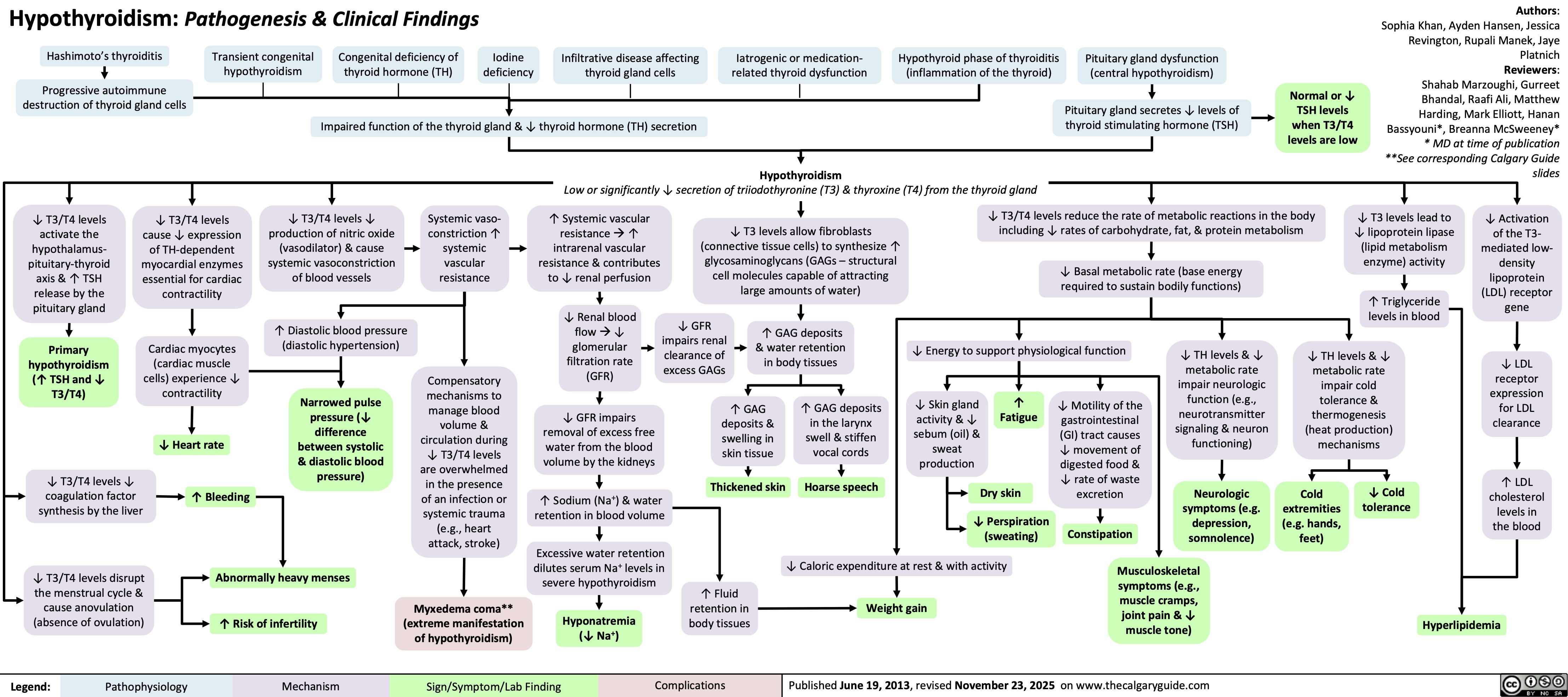
Hypothyroidism

Hypothyroidism: Pathogenesis & Clinical Findings Hashimoto’s thyroiditis
Transient congenital
hypothyroidism
Congenital deficiency of
thyroid hormone (TH)
Iodine
deficiency
Infiltrative disease affecting
thyroid gland cells
Iatrogenic or medication-
related thyroid dysfunction
Hypothyroid phase of thyroiditis
(inflammation of the thyroid)
Pituitary gland dysfunction
(central hypothyroidism)
Progressive autoimmune
destruction of thyroid gland cells
↓ T3/T4 levels
activate the
hypothalamus-
pituitary-thyroid
axis & ↑ TSH
release by the
pituitary gland
Primary
hypothyroidism
(↑ TSH and ↓
T3/T4)
↓ T3/T4 levels
cause ↓ expression
of TH-dependent
myocardial enzymes
essential for cardiac
contractility
Cardiac myocytes
(cardiac muscle
cells) experience ↓
contractility
↓ Heart rate
↑ Bleeding
Impaired function of the thyroid gland & ↓ thyroid hormone (TH) secretion
Pituitary gland secretes ↓ levels of
thyroid stimulating hormone (TSH)
Hypothyroidism
Low or significantly ↓ secretion of triiodothyronine (T3) & thyroxine (T4) from the thyroid gland
↓ T3/T4 levels ↓
production of nitric oxide
(vasodilator) & cause
systemic vasoconstriction
of blood vessels
Systemic vaso-
constriction ↑
systemic
vascular
resistance
↑ Systemic vascular
resistance à ↑
intrarenal vascular
resistance & contributes
to ↓ renal perfusion
↓ T3/T4 levels reduce the rate of metabolic reactions in the body
including ↓ rates of carbohydrate, fat, & protein metabolism
↓ T3 levels allow fibroblasts
(connective tissue cells) to synthesize ↑
glycosaminoglycans (GAGs – structural
cell molecules capable of attracting
large amounts of water)
↓ Basal metabolic rate (base energy
required to sustain bodily functions)
↑ Diastolic blood pressure
(diastolic hypertension)
↓ Renal blood
flow à ↓
glomerular
filtration rate
(GFR)
↓ GFR
impairs renal
clearance of
excess GAGs
↑ GAG deposits
& water retention
in body tissues
↓ Energy to support physiological function
Narrowed pulse
pressure (↓
difference
between systolic
& diastolic blood
pressure)
Compensatory
mechanisms to
manage blood
volume &
circulation during
↓ T3/T4 levels
are overwhelmed
in the presence
of an infection or
systemic trauma
(e.g., heart
attack, stroke)
↓ GFR impairs
removal of excess free
water from the blood
volume by the kidneys
↑ GAG
deposits &
swelling in
skin tissue
↑ GAG deposits
in the larynx
swell & stiffen
vocal cords
↓ Skin gland
activity & ↓
sebum (oil) &
sweat
production
↑
Fatigue
↓ Motility of the
gastrointestinal
(GI) tract causes
↓ movement of
digested food &
↓ rate of waste
excretion
↓ TH levels & ↓
metabolic rate
impair neurologic
function (e.g.,
neurotransmitter
signaling & neuron
functioning)
Thickened skin
Hoarse speech
Dry skin
↑ Sodium (Na+) & water
retention in blood volume
↓ Perspiration
(sweating)
Constipation
Neurologic
symptoms (e.g.
depression,
somnolence)
Abnormally heavy menses
Excessive water retention
dilutes serum Na+ levels in
severe hypothyroidism
↓ Caloric expenditure at rest & with activity
↑ Risk of infertility
Myxedema coma**
(extreme manifestation
of hypothyroidism)
Hyponatremia
(↓ Na+)
↑ Fluid
retention in
body tissues
Weight gain
Musculoskeletal
symptoms (e.g.,
muscle cramps,
joint pain & ↓
muscle tone)
Published June 19, 2013, revised November 23, 2025 on www.thecalgaryguide.com
Normal or ↓
TSH levels
when T3/T4
levels are low
Authors:
Sophia Khan, Ayden Hansen, Jessica
Revington, Rupali Manek, Jaye
Platnich
Reviewers:
Shahab Marzoughi, Gurreet
Bhandal, Raafi Ali, Matthew
Harding, Mark Elliott, Hanan
Bassyouni*, Breanna McSweeney*
* MD at time of publication
**See corresponding Calgary Guide
slides
↓ T3 levels lead to
↓ lipoprotein lipase
(lipid metabolism
enzyme) activity
↑ Triglyceride
levels in blood
↓ TH levels & ↓
metabolic rate
impair cold
tolerance &
thermogenesis
(heat production)
mechanisms
Cold
extremities
(e.g. hands,
feet)
↓ Cold
tolerance
↓ Activation
of the T3-
mediated low-
density
lipoprotein
(LDL) receptor
gene
↓ LDL
receptor
expression
for LDL
clearance
↑ LDL
cholesterol
levels in
the blood
↓ T3/T4 levels ↓
coagulation factor
synthesis by the liver
↓ T3/T4 levels disrupt
the menstrual cycle &
cause anovulation
(absence of ovulation)
Legend: Hyperlipidemia
Pathophysiology Mechanism
Sign/Symptom/Lab Finding Complications

© 2025 - The Calgary Guide to Understanding Disease

Disclaimer